Critical Care
High Responsibility and Critical Care Expertise
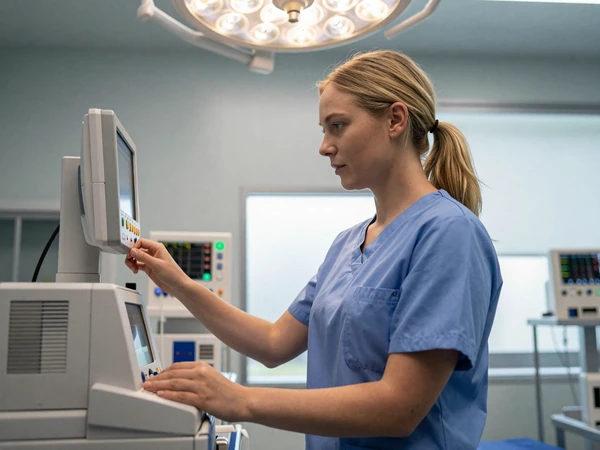
CRNAs manage some of the most critical moments in a patient's medical journey. When a person is under anesthesia, their breathing, blood pressure, heart rate, and level of consciousness are entirely in the CRNA's hands. She titrates medications to the milligram, watches monitors for the slightest change, and makes rapid adjustments that can mean the difference between a smooth recovery and a life-threatening complication. This is work that demands absolute precision and unwavering focus.
That same intensity carries into how CRNAs approach their personal lives. They tend to be deliberate, thoughtful decision-makers who value clarity and honesty. They understand that trust is earned through consistent action, not grand gestures. And because they've spent their careers navigating high-stakes situations, they bring a rare emotional steadiness to relationships - the kind that helps couples weather real challenges without falling apart.
According to a 2025 workforce report by the National Council of State Boards of Nursing, there are approximately 60,000 practicing CRNAs in the United States, and the profession is projected to grow 12% over the next decade - faster than almost any other nursing specialty. These are women at the top of their field, and they deserve a partner who recognizes the magnitude of what they do.